Map before targeting
Characterize fit, coupling, and acoustic access from the same position used throughout the study.
Research platform · Phobias + PTSD
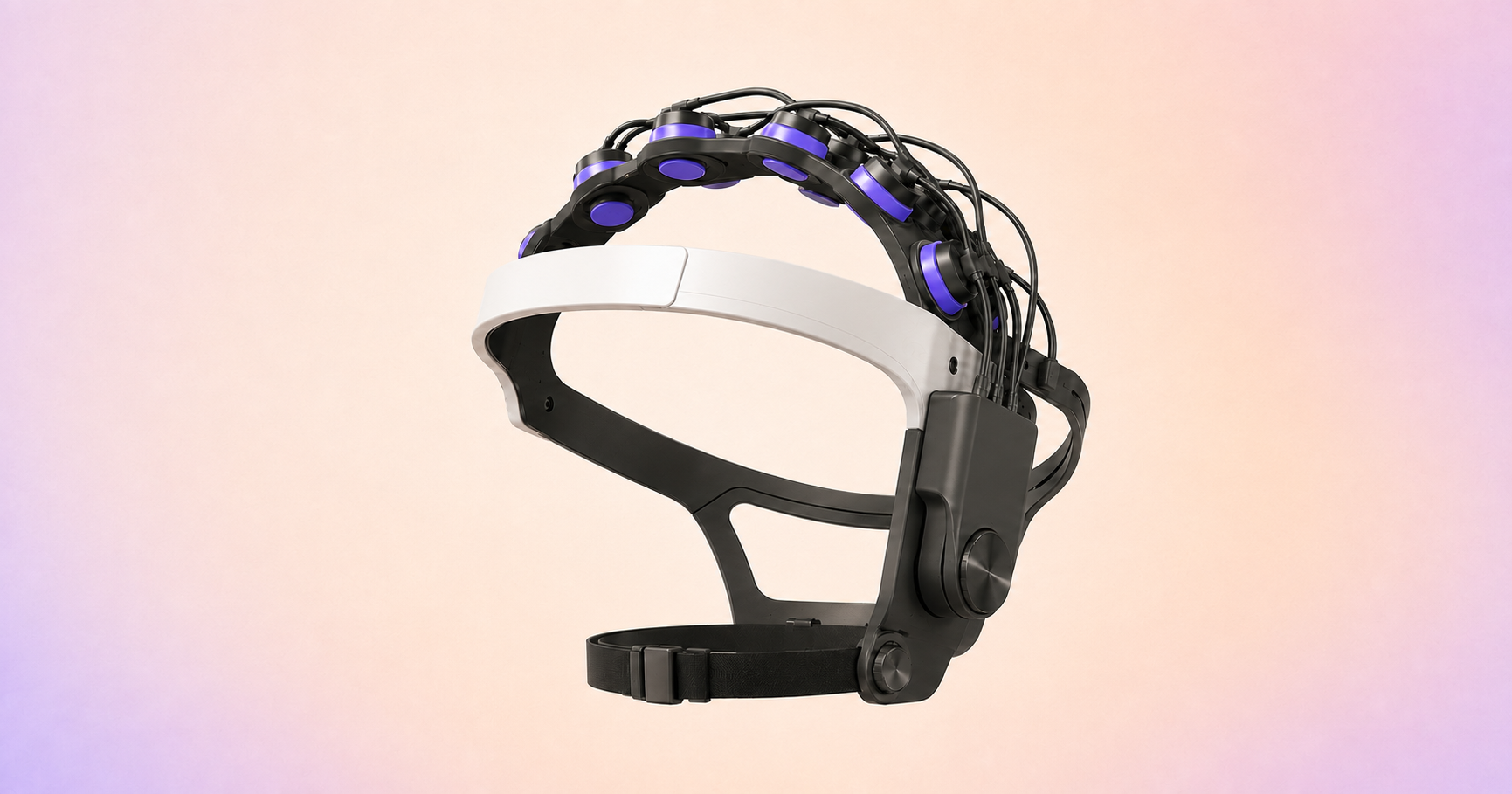
MINDCTL brings ultrasound imaging and focused neuromodulation into one closed-loop research platform—built to explore more personal treatments for phobias and PTSD.
Research-stage concept. Not a cleared medical device. No diagnostic or treatment benefit has been established.
THE PLATFORM
MINDCTL combines an adjustable helmet, a shared coordinate frame, and research software. Imaging and modulation use the same registered geometry, so teams can change protocols without losing the physical context of the study.
Characterize fit, coupling, and acoustic access from the same position used throughout the study.
Run pre-specified low-intensity sequences through a separately bounded delivery path.
THE CLOSED LOOP
The hardware becomes a study through a repeatable sequence linking participant state, a bounded intervention, and matched reassessment.
Image
Ultrasound imaging, task cues, and physiological signals build a synchronized picture of how each participant responds.
Model
The research stack looks for repeatable changes linked to fear, avoidance, and recovery—and shows investigators its uncertainty.
Modulate
A supervised low-intensity focused-ultrasound sequence tests a pre-specified target under independent safety constraints.
Verify
Matched imaging, symptom, and behavioral measures show what changed and inform the next research decision.
MODULAR BY DESIGN
Adapt the array, task, sensing layer, and analysis pipeline to a specific phobia or PTSD protocol—without rebuilding the experiment from scratch.
Explore the concept geometry ↓Individually addressable transducer modules on a fit-adjustable open frame.
Time-aligned acquisition for coupling checks, localization research, and response measurement.
Modeled ultrasound fields with protocol bounds and an independent delivery controller.
One clock, one coordinate frame, and a complete record of every experimental decision.
BUILT FOR EVIDENCE
MINDCTL is being shaped for transparent protocols, inspectable uncertainty, sham-compatible studies, and human oversight at every consequential step.
FOUNDING RESEARCH NETWORK
We’re looking for trauma researchers, phobia specialists, ultrasound physicists, clinical investigators, safety engineers, translational partners, and investors who want to help advance the work responsibly.